
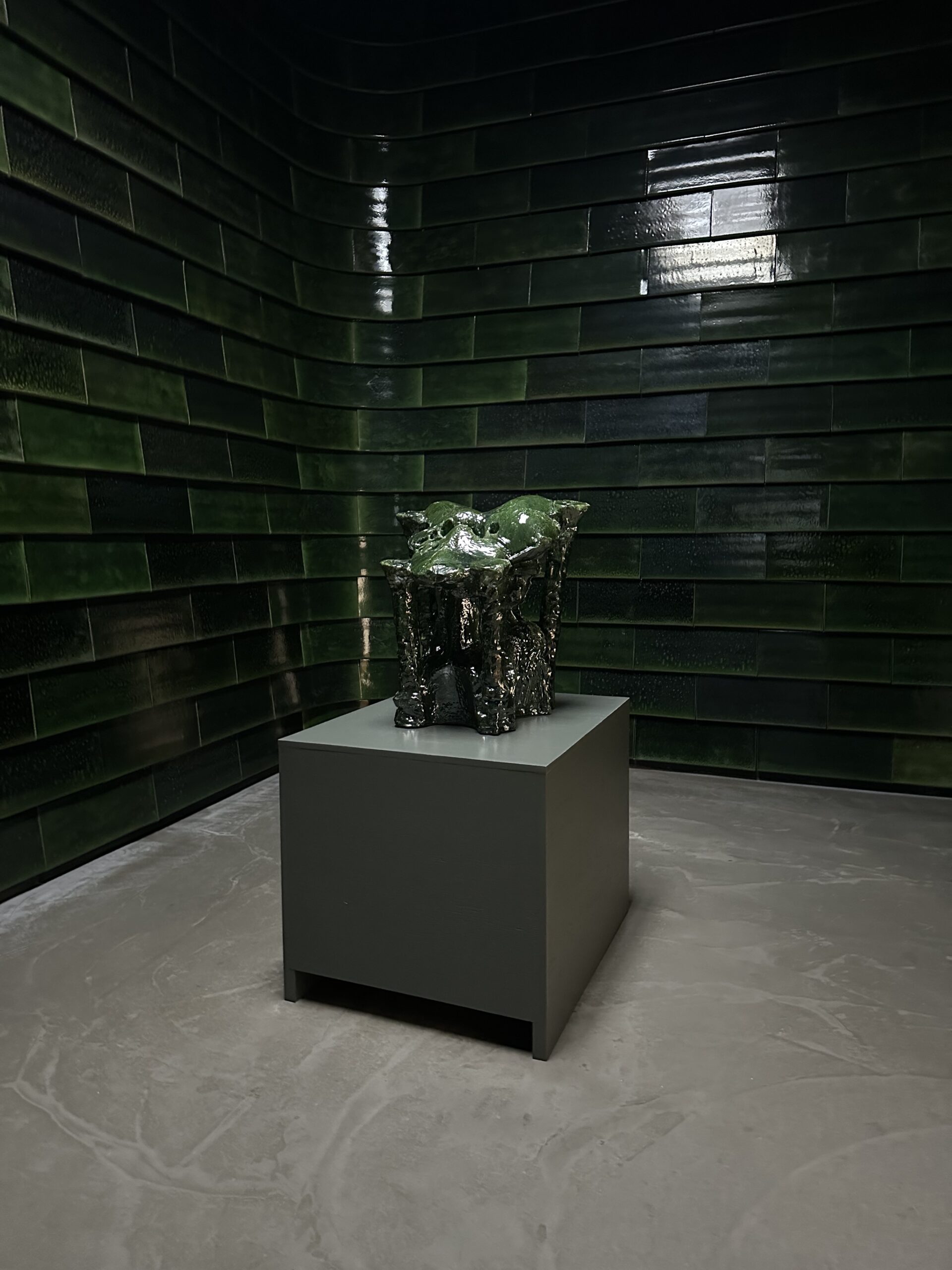

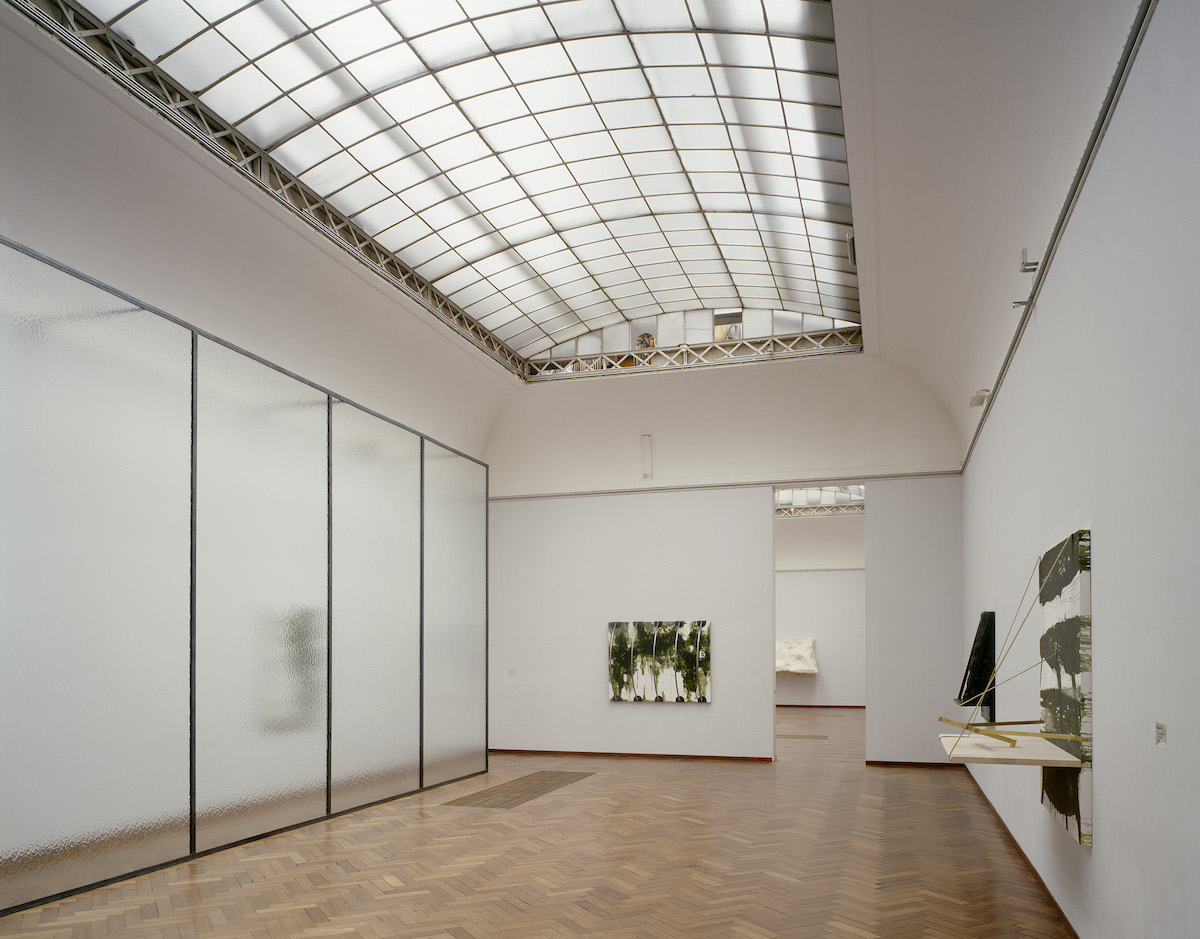
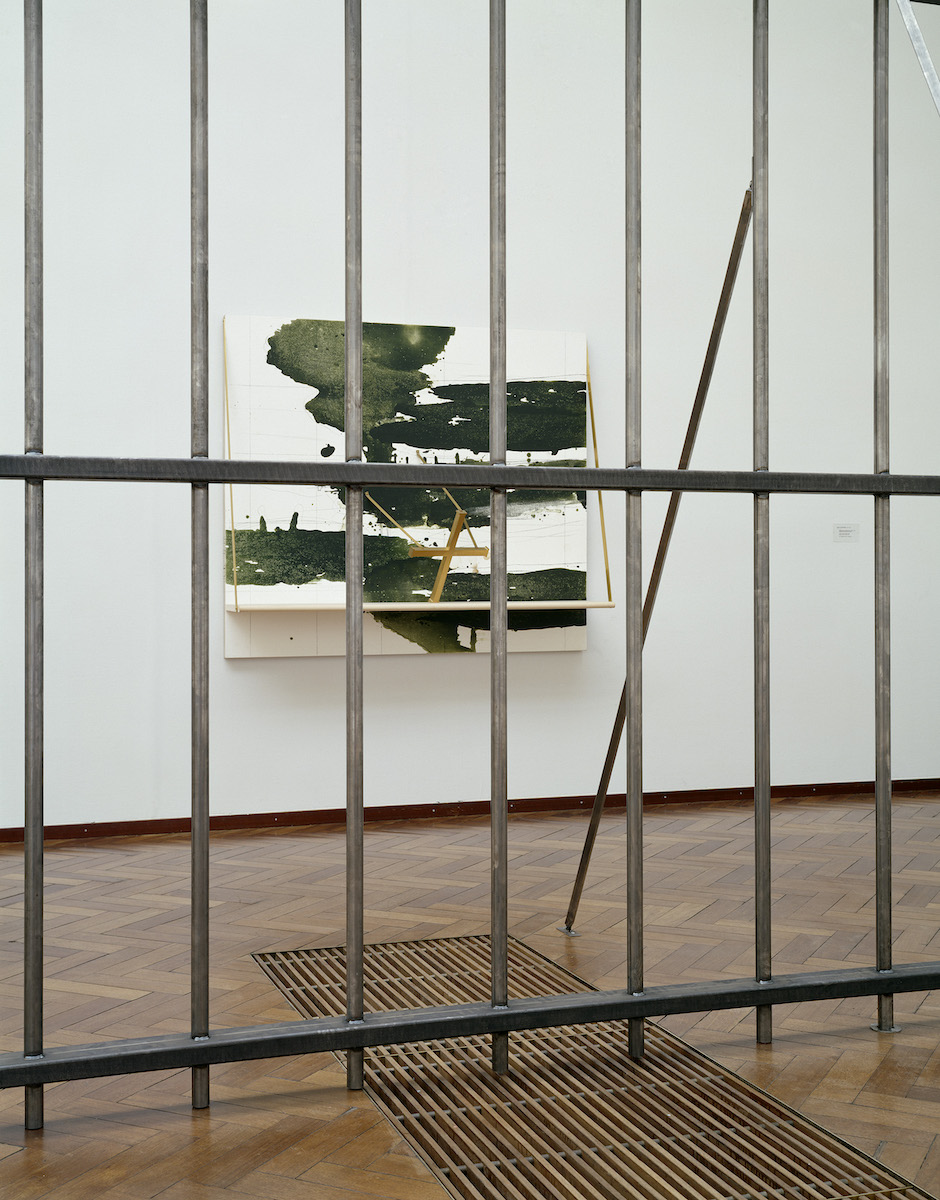

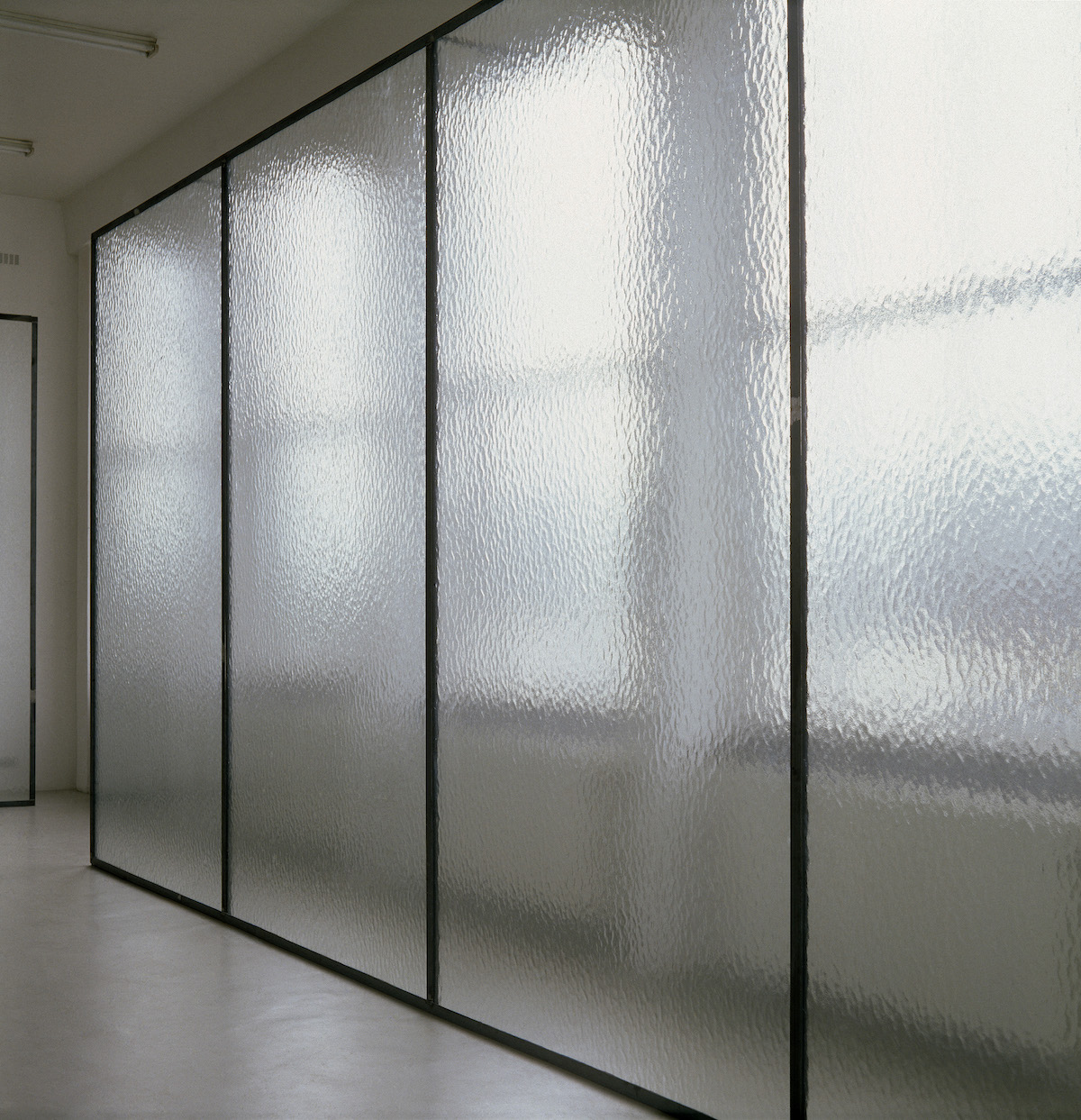
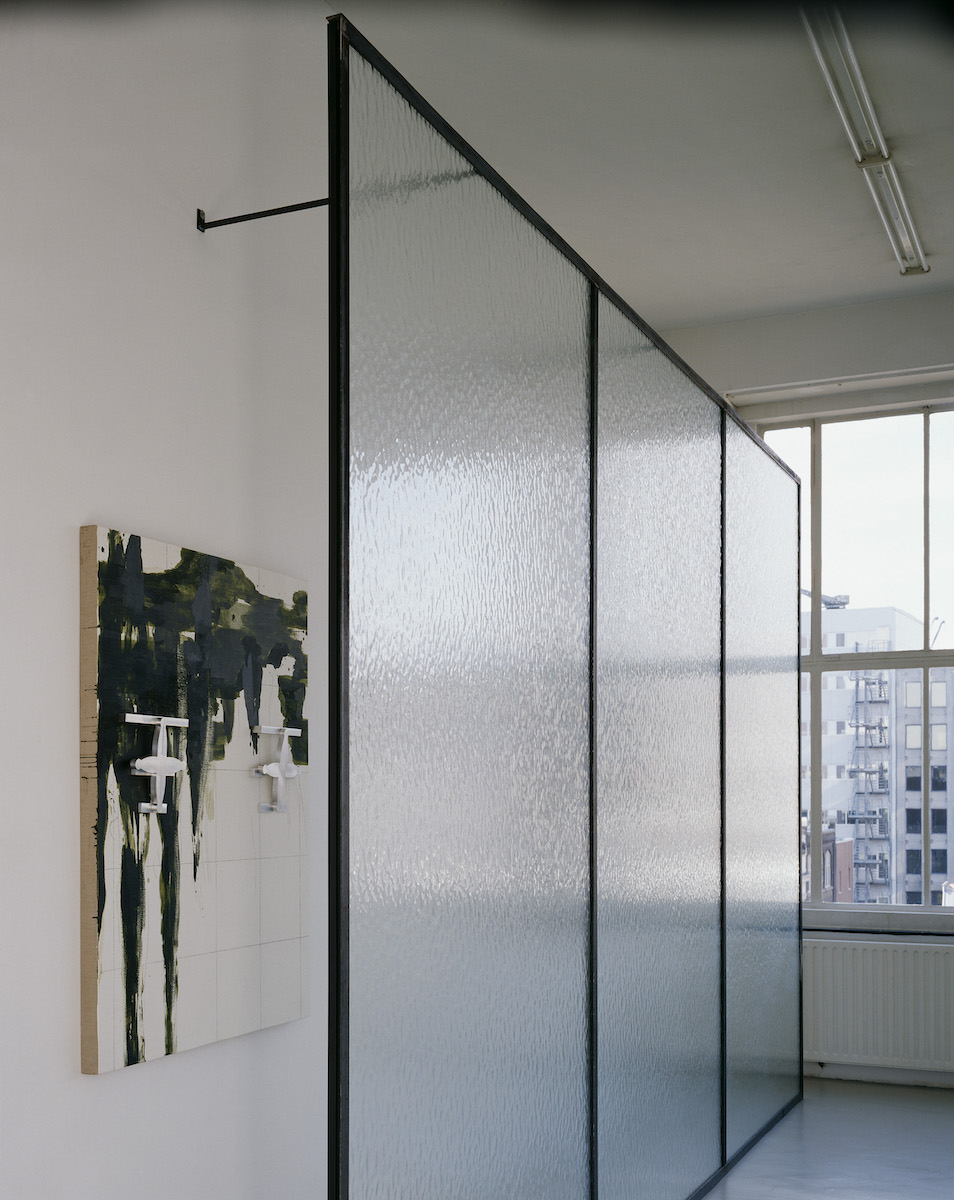
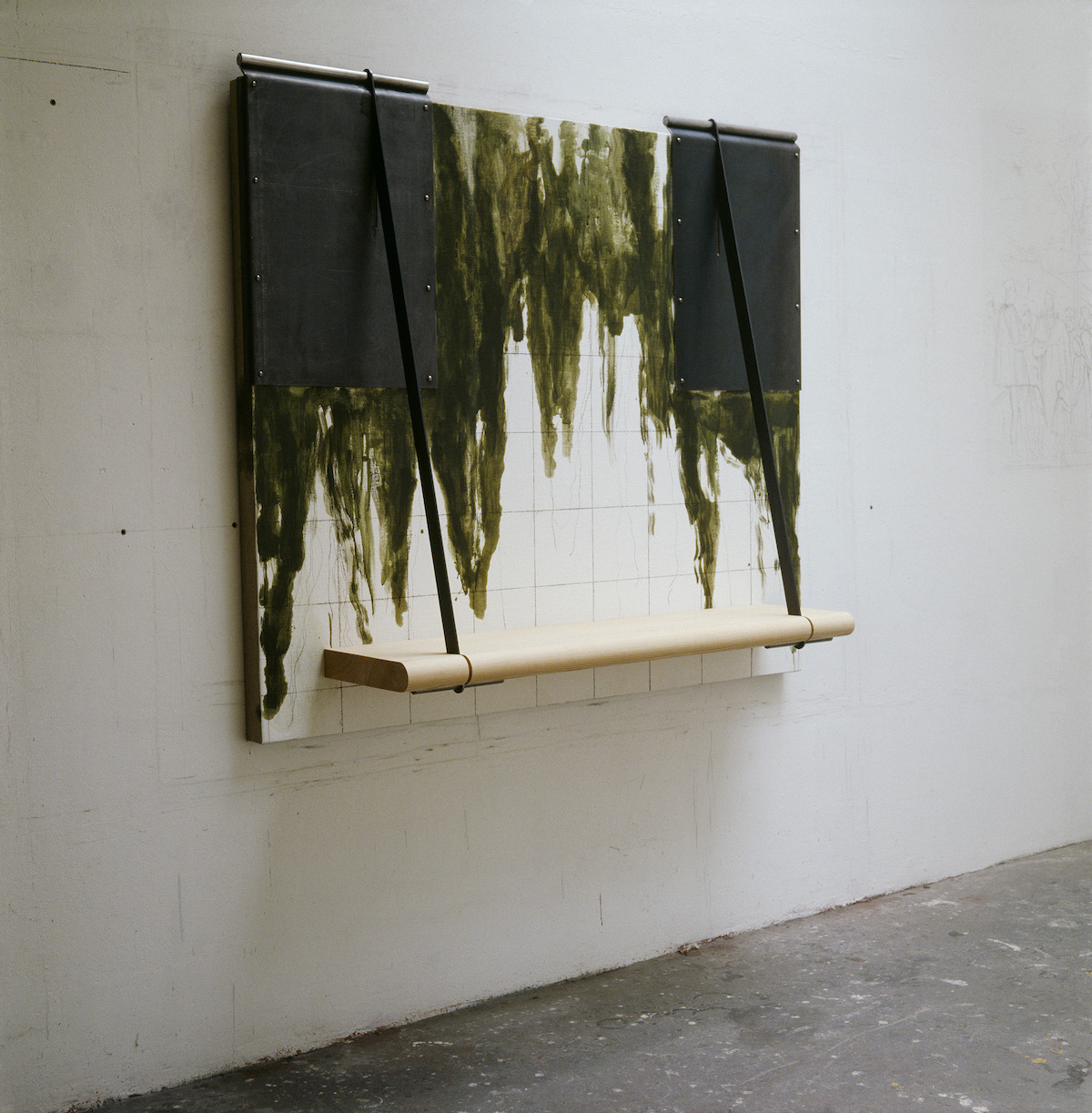

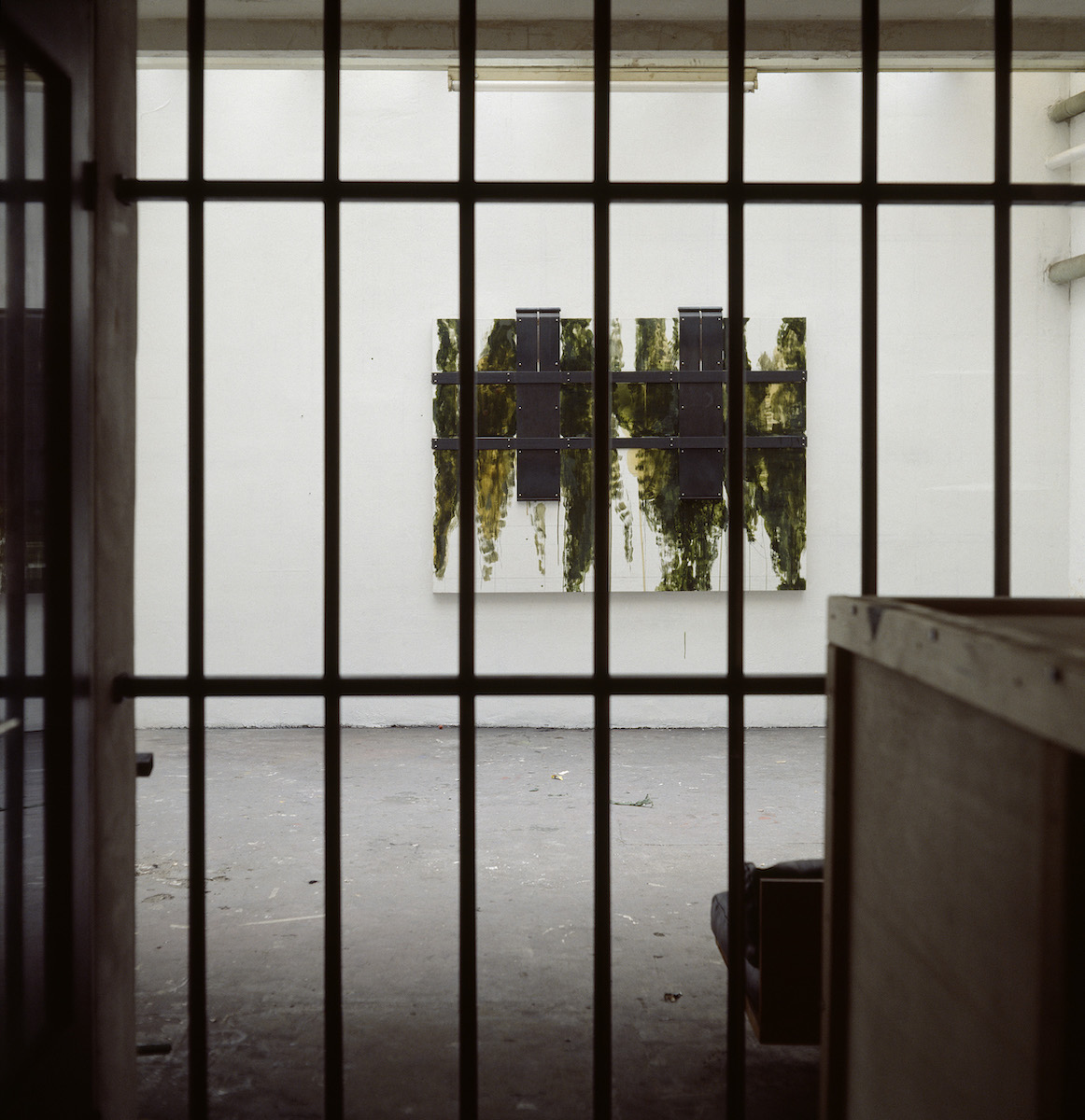


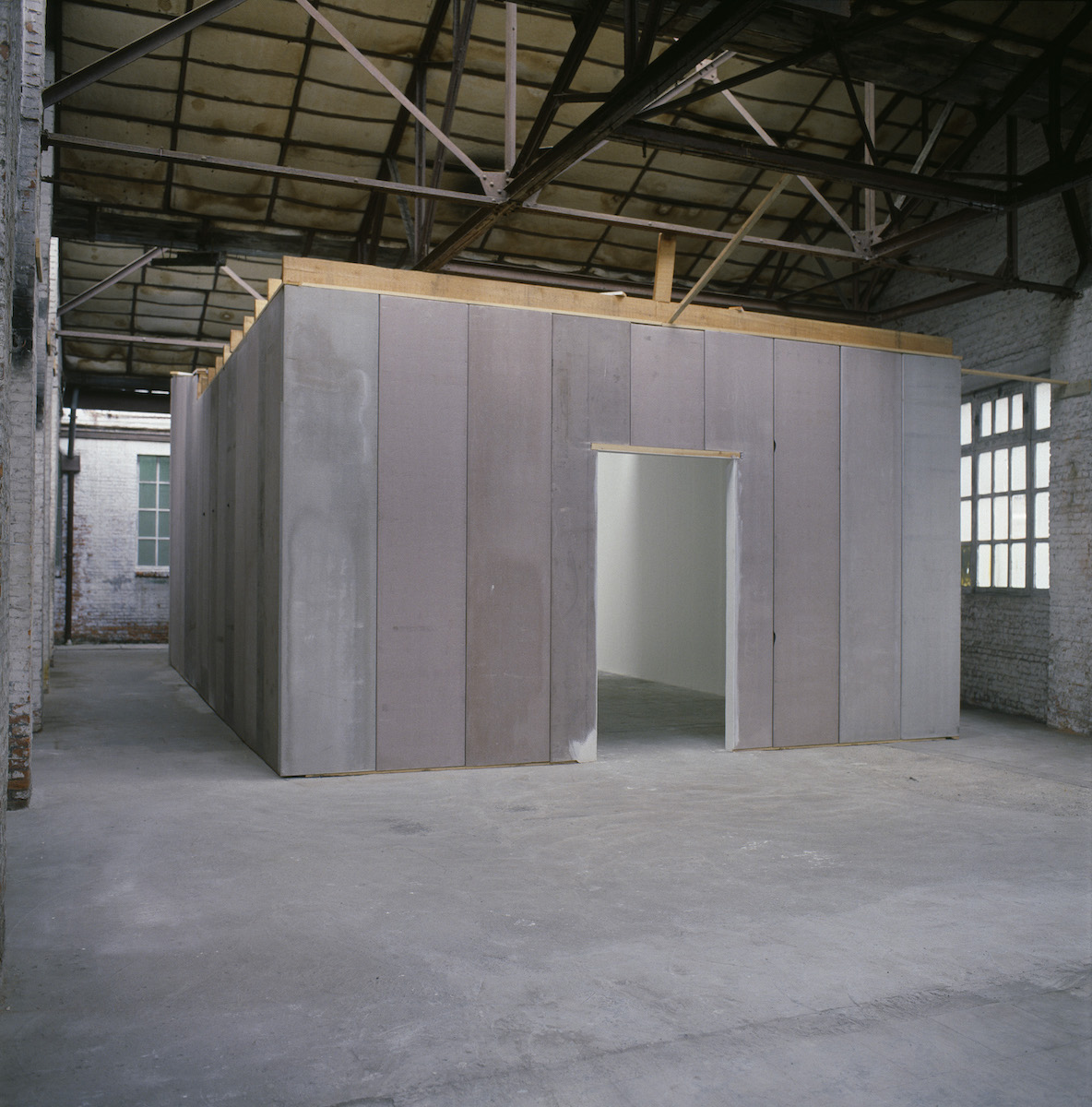
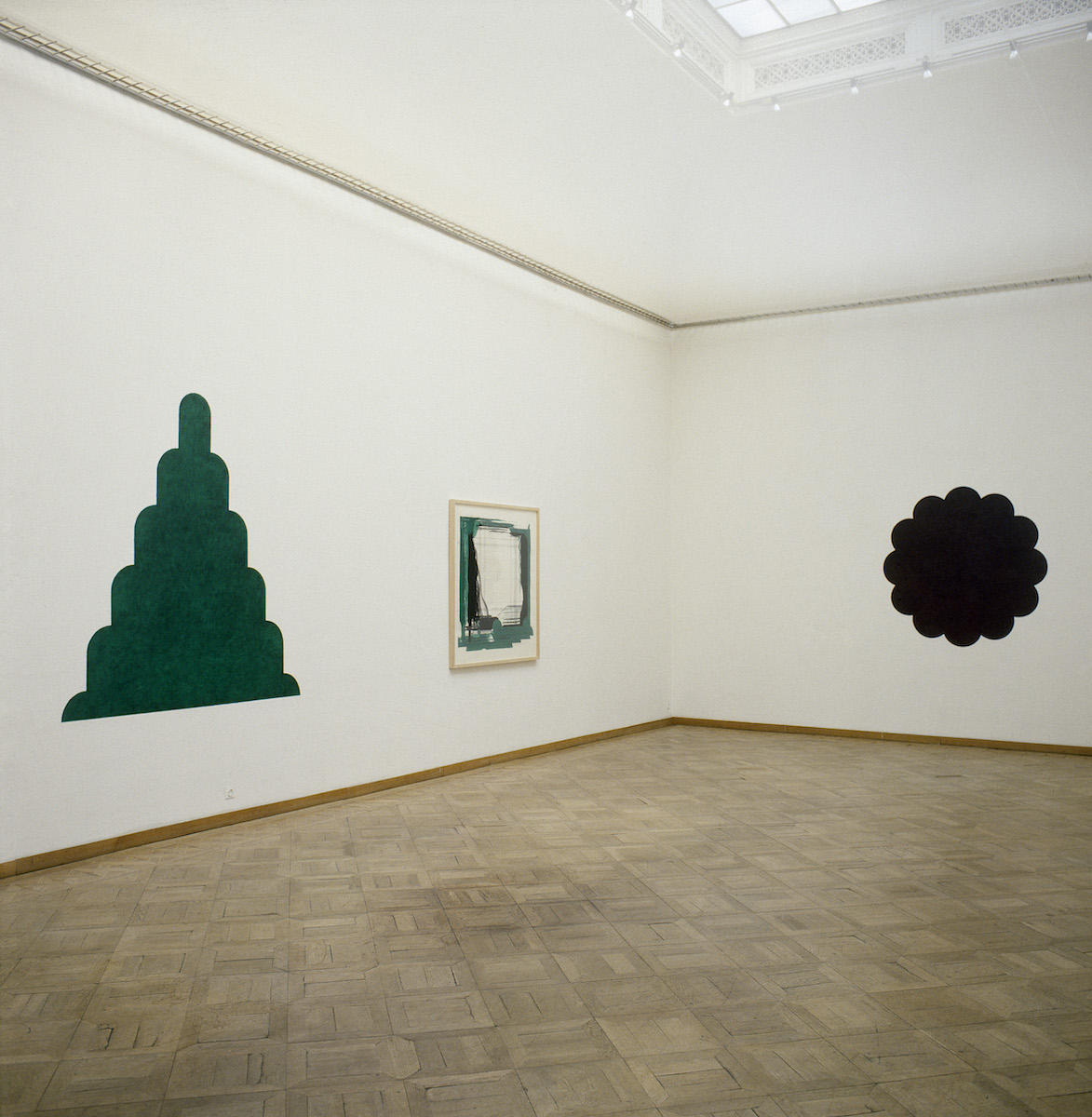
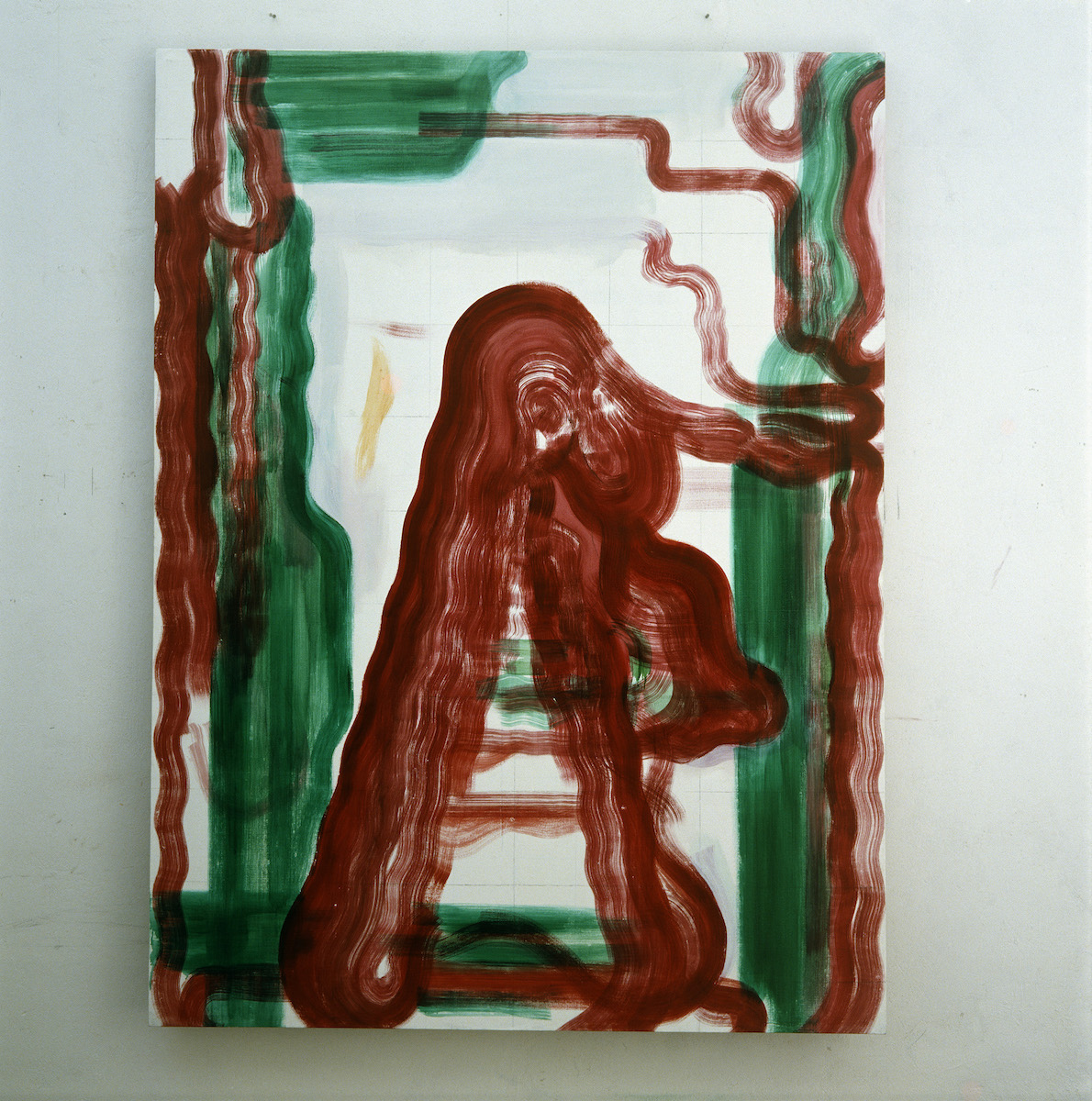
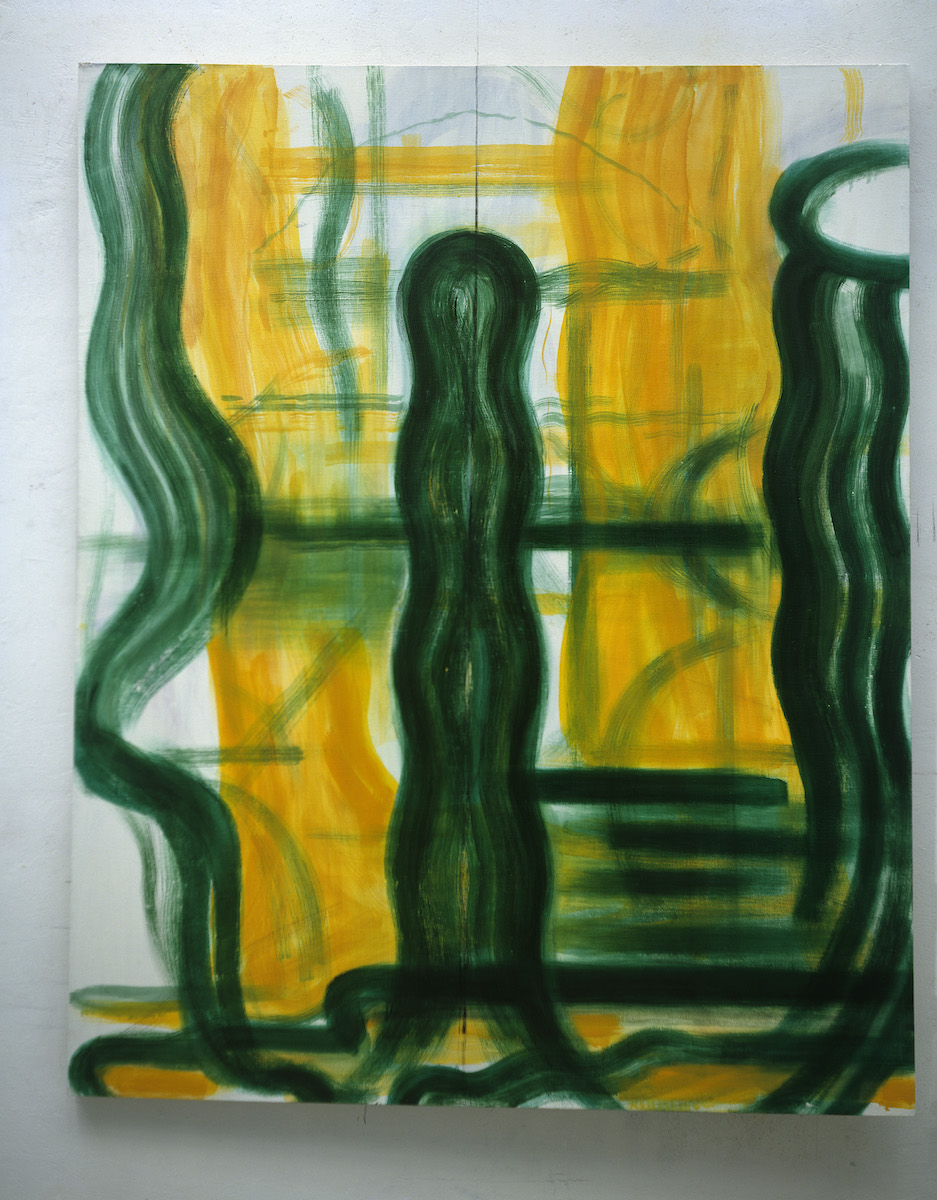

The concept of repetition is one of the fundamental principles in Marien Schouten’s oeuvre that consists of sculpture, painting, drawing, photography and installations. Schouten let himself be guided by intuitive impulses. “I see it as the artist’s role to make the subconscious less opaque,” he writes “A motif, when repeated in different contexts, combined with other motifs or performed in various media, accumulates its own history. Each repetition reveals the motif’s characteristics in a new light. Over time, the motif becomes more familiar and specific. There is no need to analyze its origin any further; simply perceive its new reality.” Another recurring element is juxtaposition, placing next to each other elements that contrast– be it the exhibition space and the work, the figure and the ground, the spatial and the flat, or the transparent and the opaque – but which do communicate with each other and create new connections.
Marien Schouten was born in 1956 in Andel, the Netherlands. He studied at the Akademie van Beeldende Kunst Tilburg (1976–1981) and was a resident at Ateliers ’63 in Haarlem from 1981 to 1983. Schouten was awarded the Koninklijke Prijs voor Vrije Schilderkunst in 1983, the Prix de Rome in 1985, and the Jordaan-van Heek Prijs in 1989. His work has been presented in numerous solo and group exhibitions in the Netherlands and abroad, with solo exhibitions at institutions including the Kröller Müller Museum (2019, 2014 NL); De Pont Foundation for Contemporary Art, Tilburg (2004, NL); Bonnefantenmuseum (1988, NL); Stedelijk Museum Amsterdam (1996, NL); Kunsthalle Bern (1992, CH); Museum Boijmans Van Beuningen, Rotterdam (1988, NL); and Institut Néerlandais, Paris (1987, FR). His work has also been exhibited at Museum de Fundatie (2024, NL); Lustwarande (2021, NL); Museum Dordrecht (2013, NL); Stedelijk Museum ’s-Hertogenbosch (2009); Museo de Arte Moderna (2004, BR); Nieuwe Kerk (2002, NL); Stedelijk Museum Amsterdam (2000, 1999, 1997, 1985, NL); Koninklijk Paleis voor Schone Kunsten, Brussels (1996, BE); and the Castello di Rivoli, Turin (1994, IT). In 2019, Schouten created a permanent installation, Green Room/Vault, in the sculpture garden of the Kröller-Müller Museum. His work is held in public and private collections internationally.